The Hidden Dangers of Untreated Water Damage
Water damage rarely announces itself as a crisis. A slow roof leak, a burst pipe behind a wall, a flash flood that recedes in hours — these events can seem manageable in the moment. What most homeowners underestimate is what happens next. Left unaddressed, even minor water intrusion sets off a chain of compounding problems that becomes progressively harder and more expensive to resolve.
Here is what every homeowner needs to understand about the real risks of untreated water damage — and why the first 48 hours matter more than most people realise.
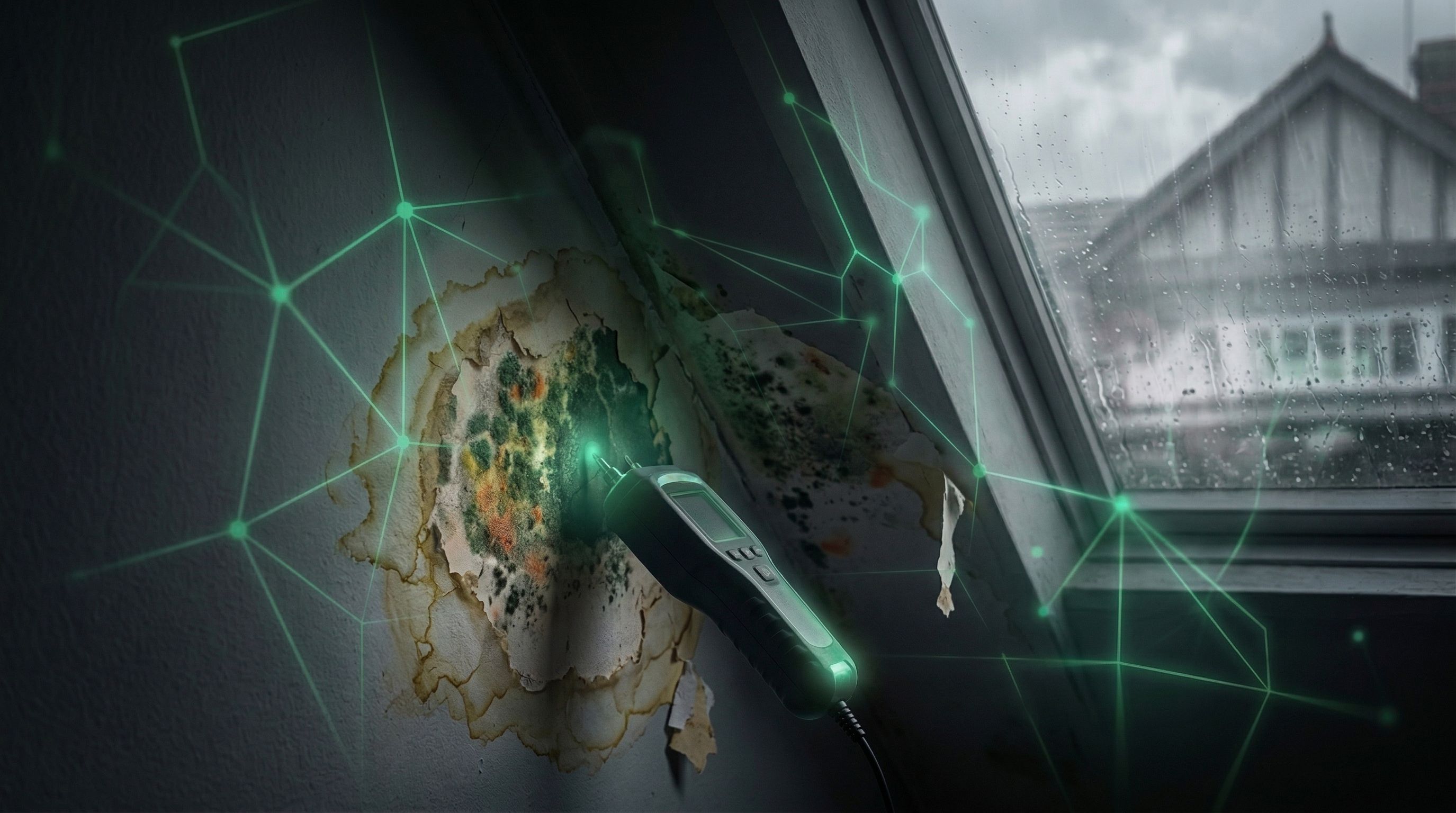
Mould Growth Begins Within 24 Hours
Mould is not a slow-developing problem. Given the right conditions — moisture, warmth, and an organic food source such as timber, plasterboard, or carpet — mould colonies can begin forming within 24 to 48 hours of water exposure. Once established, they spread rapidly into wall cavities, ceiling spaces, and subfloor areas that are difficult to access and even harder to treat.
In Victoria's temperate climate, this is a year-round concern. Homes with poor ventilation are particularly vulnerable because trapped moisture cannot escape. The National Construction Code, administered by the Australian Building Codes Board, recognises moisture management as a critical element of residential construction — mandating specific requirements for wet areas, vapour barriers, and ventilation for precisely this reason.
Acting within the first 24 hours is not just advisable. It is the difference between a contained remediation job and a full-scale mould removal scope.
The Health Risks Are Real and Serious
Mould exposure is not merely an aesthetic issue. Prolonged contact with mould spores can cause a range of health problems, including:
- •Persistent coughing, wheezing, and shortness of breath
- •Aggravation of asthma and existing respiratory conditions
- •Skin irritation and eye discomfort
- •Chronic respiratory sensitisation with repeated exposure
Children, elderly occupants, and immunocompromised individuals face heightened risk. In properties where mould has been allowed to establish in concealed spaces, occupants can be exposed for weeks or months before the source is identified — by which point the health impact can be significant.
Structural Damage That Gets Worse Over Time
Water follows gravity and finds every path available to it. Timber framing that remains wet for an extended period begins to soften, swell, and lose load-bearing capacity. In severe cases, sustained moisture leads to wet rot or creates conditions that attract wood-boring insects, accelerating structural deterioration well beyond the original affected area.
Plasterboard — the standard internal wall and ceiling lining in Australian homes — absorbs water readily and loses structural integrity once saturated. It sags, delaminates, and becomes an active mould substrate. Saturated plasterboard cannot be dried and reinstated; it must be cut out and replaced entirely.
One aspect of water damage that consistently surprises homeowners is how far water can travel from its entry point. A roof leak does not always drip straight down. Water can run along rafters, pool on top of ceiling insulation, and migrate sideways through wall cavities — causing damage several metres from the original source. This hidden migration is one of the key reasons a thorough moisture assessment is essential, not optional.
Electrical Hazards Require Immediate Attention
Water and electricity are an immediately dangerous combination. Water ingress near power points, light fittings, or the switchboard creates a serious risk of electrical shock or fire. If water has entered any area with electrical infrastructure, isolate the power at the main switchboard and contact a licensed electrician before re-entering the space.
The risk does not disappear once visible water is removed. Moisture trapped inside walls continues to degrade wiring insulation over time, increasing the likelihood of short circuits and electrical fires weeks or months later. Any professional remediation of a water-affected property should include a qualified assessment of all electrical components in the affected zone.
Why Professional Remediation Produces Better Outcomes
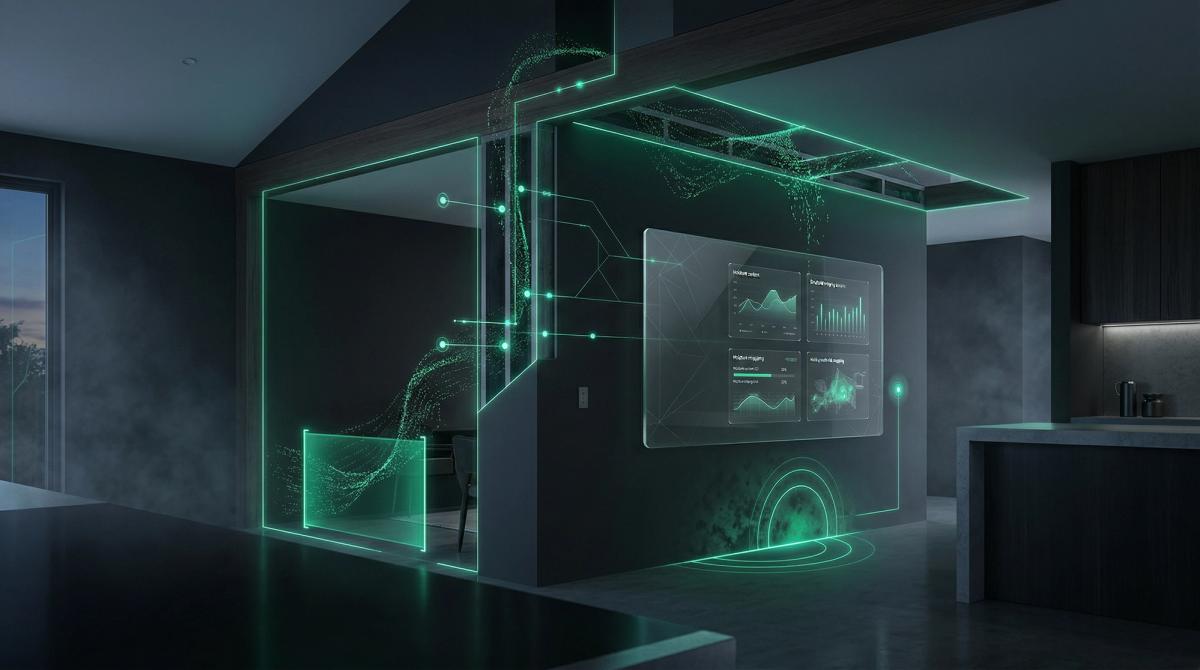
Drying a water-damaged property is not a matter of opening windows and running a household fan. Effective remediation requires industrial-grade dehumidifiers, calibrated moisture meters capable of tracking drying progress at depth within wall and floor assemblies, and the controlled removal of materials that cannot be salvaged — all managed under containment protocols that prevent mould spores from cross-contaminating unaffected areas of the building.
At Oxide Construct, our water damage restoration process follows a structured, documented methodology: extract standing water, assess moisture levels throughout the building envelope, remove unsalvageable materials, apply antimicrobial treatments, dehumidify to target moisture content, and rebuild to reinstatement standard. Every stage is recorded with evidence for insurance purposes, ensuring nothing is missed from the scope of works and claims are supported by a clear audit trail.
Protecting Your Insurance Position
Most home and contents insurance policies include a duty to mitigate further damage. Leaving water damage untreated — or managing it inadequately — can be characterised as a failure to take reasonable steps to minimise loss. This can affect your insurer's assessment of the claim and, in some cases, the amount they are willing to pay.
Engaging a professional restorer early creates a clear record of prompt action, professional scope, and appropriate methodology. It protects both your property and your position with the insurer.
If your home has experienced water damage of any kind, do not wait to see whether it resolves itself. The first 24 to 48 hours are critical for preventing mould, preserving structural integrity, and ensuring a straightforward claims process. The cost of early intervention is almost always a fraction of the cost of delayed action.